
Your Mind on Tech
Issue 01 · 11 Nov 2026
What arrived in the last two weeks.
A strand of The Second Draft, every other Wednesday.
By Emily Bellard
At a kitchen table, a video call opens on a phone. Two participants appear side by side: one speaking, one interpreting. Across the room, another device is ready to save a photo using a setting its owner never touched. Neither moment arrives with a drumroll. A feature is simply present; a default is quietly doing its work. This edition follows two such arrivals, then pauses over a camera setting that makes the word default unusually literal. We are not grading the people who made these products or guessing what they meant. We are looking at what shipped, where it landed, and what the release notes say. The small switch is the story. And this is the first issue of Your Mind on Tech, a strand that looks at what landed rather than what was announced.
Small Defaults
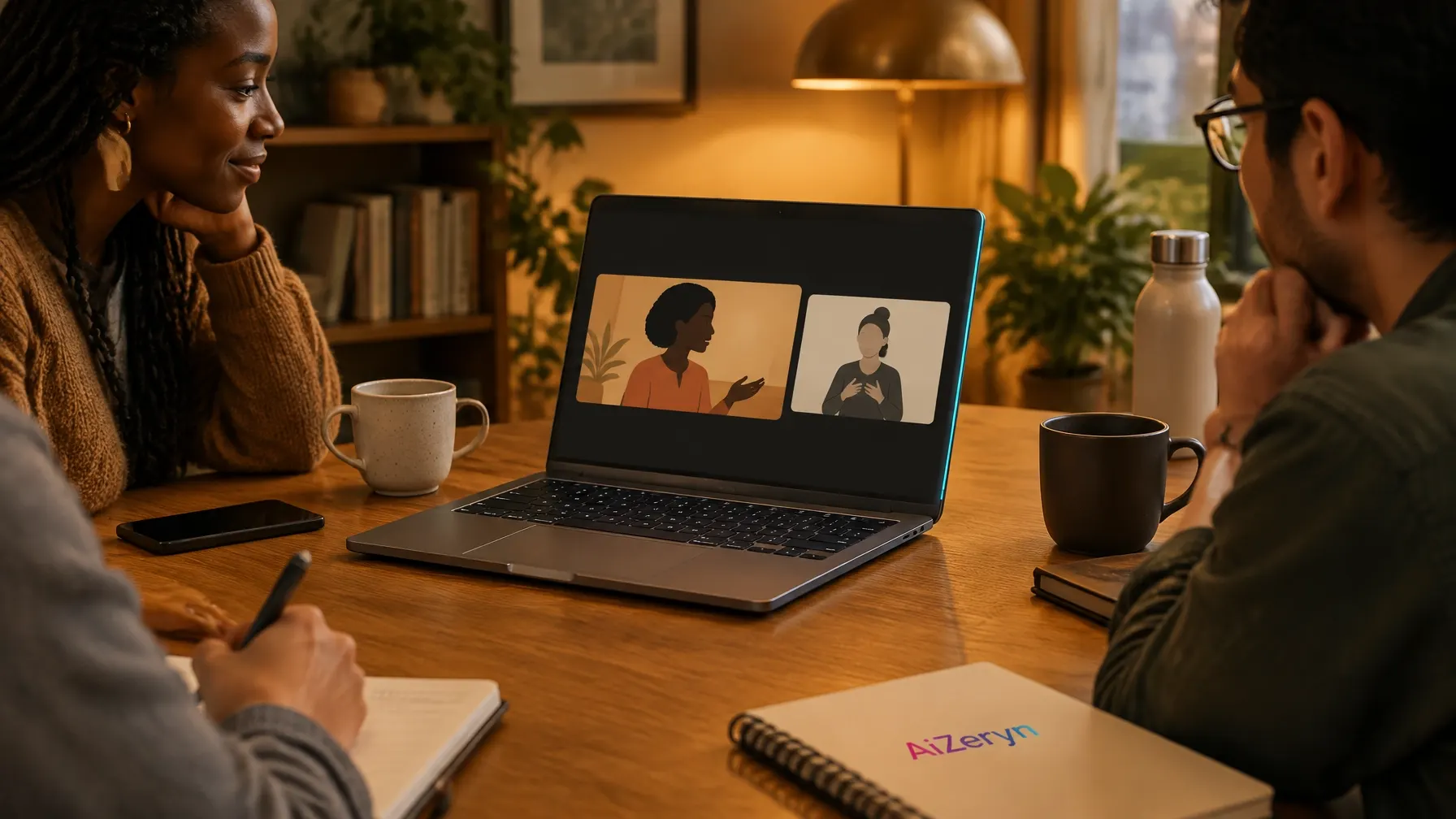
Google Meet: tile pairing reaches iOS
What it is: Tile pairing keeps a participant’s video tile beside another participant’s, so both appear side by side to everyone in the meeting. The feature is built for accessibility: a Deaf or hard-of-hearing participant can pair their tile with a sign language interpreter’s. Live captions are attributed to both speakers.
Where it landed: Google Meet on mobile. Google says the feature is on by default for both administrators and users, and is available to Workspace customers, Workspace Individual subscribers, and people using personal Google accounts. The Android rollout began earlier; the iOS rollout is scheduled to start in early November.
What the company said: Google’s announcement describes the update as a way to “improve accessibility for users and language interpreters.”
What actually happened: A feature that already existed is extending to phones, with an important setting already switched on. The arrival is notable not because tile pairing is new, but because an accessibility feature is reaching everyday personal accounts as part of the standard experience.
Which first is this? First for iOS as a platform arrival, not the first appearance of tile pairing. Google’s announcement also describes the feature’s mobile rollout on Android.
Why it matters now: Pairing arrives enabled, while captions retain attribution for both speakers.
OPPO: a new ColorOS release brings agent mode and call protection
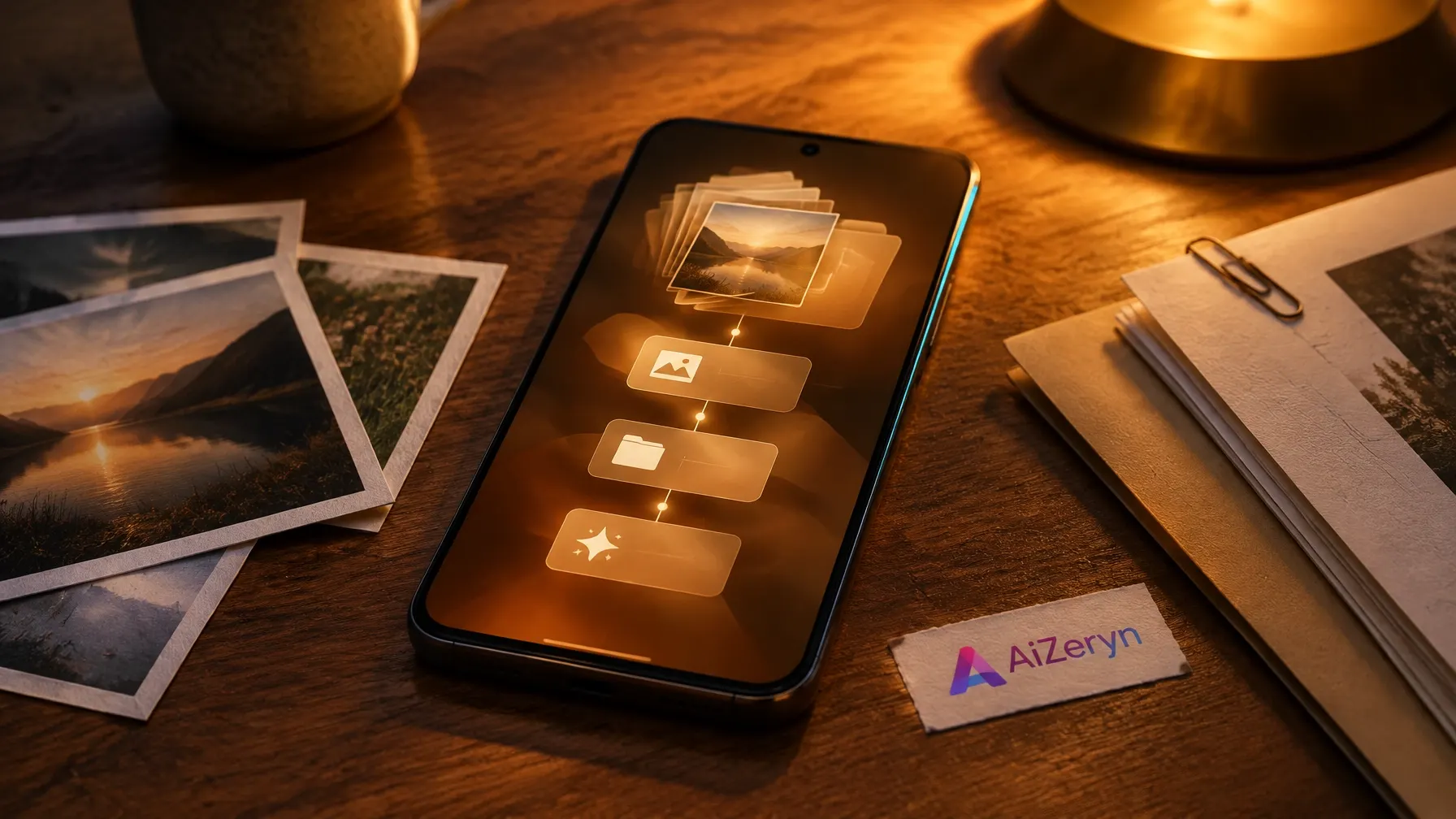
What it is: OPPO’s latest operating-system release brings an agent mode for working with photos and files stored on the device. Users can direct AI to coordinate tasks such as organizing files, planning trips, and creating presentations or web pages. OPPO says the feature was built with Manus. The release also introduces AI Call Guard, which uses on-device AI to detect potential fraud during calls, including synthetic voices and face swaps.
Where it landed: The new ColorOS release comes with OPPO’s Find X10 series of phones, which the company says will begin launching globally in late October. AI Call Guard is available in Indonesia, India, and Thailand. OPPO says AI Photo Agent will roll out gradually across countries, with monthly usage limits.
What the company said: OPPO’s release says, “AI Call Guard uses on-device AI to detect emerging fraud risks such as synthetic voices and AI face swaps during calls.”
What actually happened: This is not a newly enabled toggle. The shift is that an agent mode for local photos and files, alongside a call-fraud detection feature, is part of the new operating-system release. The features have different boundaries: one is described as on-device, the other has regional availability, and photo editing has a gradual rollout and usage limits.
Which first is this? First you might notice: new AI capabilities are arriving as part of an operating-system release. OPPO does not establish these particular features as an industry first in this announcement.
Why it matters now: The shipped package includes both on-device assistance and call-fraud detection, with availability varying by feature and region.
The One Number
OPPO’s release says the Find X10 series introduces “industry-first 26MP default capture from ultra-wide through 9.9x,” comparing it with “conventional 12MP capture.” The company’s wording matters: “industry-first” is OPPO’s characterization, not an independently verified claim here. OPPO’s explanation is: “This delivers substantially more detail than conventional 12MP capture while keeping file sizes manageable.”
The setting is the point. A camera that starts at 26MP saves a higher-resolution image by default than one starting at 12MP. That means a larger file; the extra detail does not arrive without a storage tradeoff. OPPO says file sizes remain manageable, but that is the company’s description of the result. The space used on a device still depends on the files it saves.
This is a declared starting point, not a separate high-resolution mode someone must remember to select. The release presents the comparison and the default together. So the useful question is modest: what does the camera save before anyone changes a setting? The answer, in OPPO’s announcement, is the higher-resolution option.
The Three-Line Version
Google Meet is bringing tile pairing to iOS, with the feature on by default.
OPPO’s new operating-system release includes agent mode and on-device call-fraud detection.
A camera default sets the starting point; the saved file comes with a storage tradeoff.
The Close
Across these arrivals, the common thread is not a sweeping claim about technology’s future. It is where the new capability sits. Meet pairs tiles by default and attributes captions to both speakers. OPPO’s release puts agent mode and call-fraud detection inside its operating-system package, with rollout limits and regional availability attached. In both cases, the practical story is in the details: what comes switched on, what ships with the device, and where a feature is available. That is a useful scale for a tech column: shipped behavior, with the release note still open beside it.
Still on the runway: Canon announced its Connected Value Platform in October, with Content-Based Naming scheduled for late November. It was announced, but had not yet arrived at publication.
Sources verified October 22, 2026.
If you like the argument, we make it properly on LinkedIn: consequences, tradeoffs, and the parts press releases skip. Read us there
If you like the mess, we're on Facebook: family group chats, settings screens nobody reads, and the jokes that arrive late. Meet us there
Sources
- Google Workspace Updates: Video tile pairing on Google Meet mobile
- OPPO newsroom: Find X10 series global launch
- Canon Global News: Connected Value Platform announcement
For information about personal information handling, see the Privacy Policy.

